Ocean Safety

Know Before You Go

back float

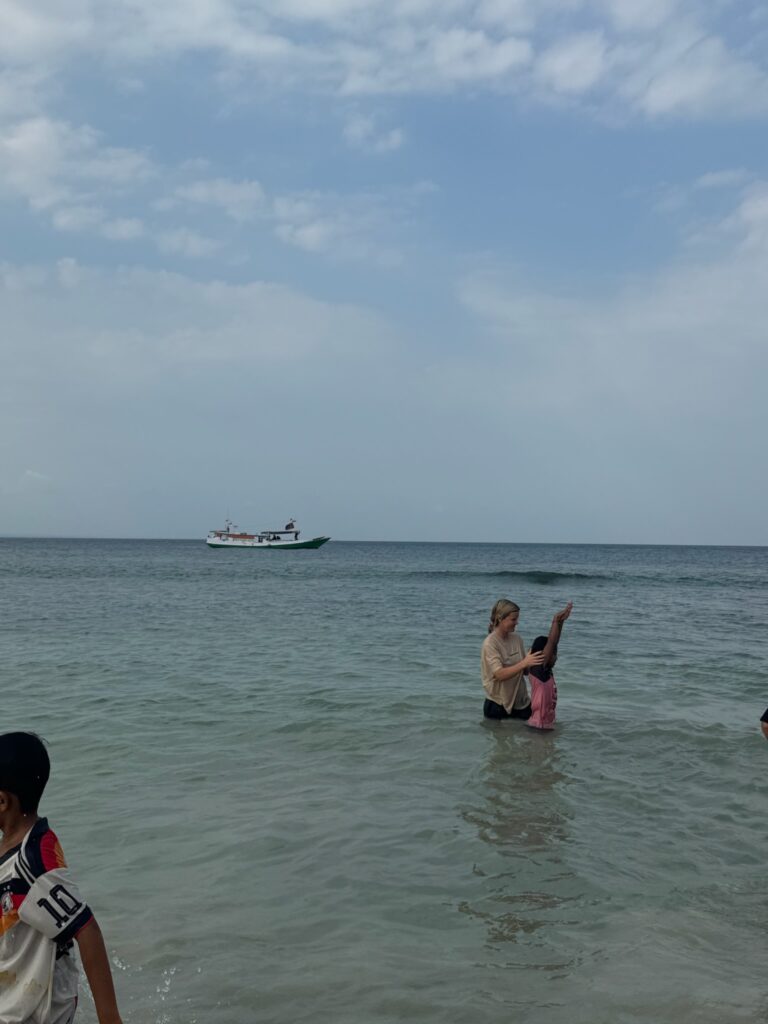
Swimming in the ocean requires a different set of skills than swimming in a pool. A pool is predictable, bounded and still. The ocean moves, changes through the day, and doesn't care how many lengths you can swim. Plenty of strong pool swimmers get into serious trouble in the sea, and plenty of people who can barely swim stay safe because they understand what they're looking at.

We teach in two ways. In the water, we run ocean swimming lessons that build genuine competence in moving water, so you learn to time your entry, read a set, breathe in chop, and swim with a current rather than fighting it. Out of the water, we run dedicated ocean safety and awareness programs that focus on knowledge and decision-making rather than swimming technique. Those sessions work for anyone who spends time near the sea, including people who don't intend to swim in it at all.

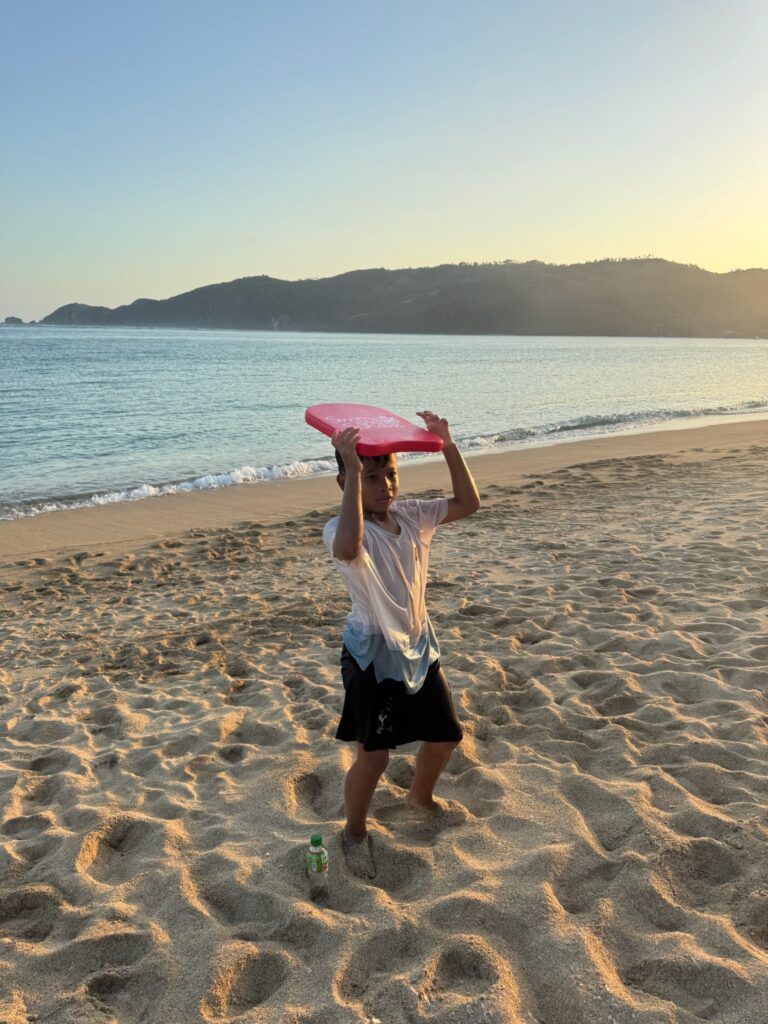
Sessions cover how to read a beach before you enter it: identifying rip currents and understanding why they form, reading waves, tides and sandbanks, choosing safe entry and exit points, watching for changing conditions, and recognising when the right decision is to stay out altogether. That last one is the hardest to teach and the most valuable. We also work through what to do when something goes wrong while you’re already in the water, including staying calm, conserving energy, floating, signalling for help, and what caught in a rip actually feels like so it’s recognisable rather than terrifying.

For visitors, we cover the things that catch people out on an unfamiliar coastline. For local swimmers, surfers and families, we go deeper into the specific beaches and conditions they use every week.

For most people here the ocean isn’t a holiday, it’s part of life. Learning to read and respect it is as important as learning to swim, and unlike fitness, that knowledge doesn’t fade.

We also run a free weekly Ocean Swimming Club that meets weekly. All levels are welcome. Contact us on instagram for more information.